


-

Add: HeBei ShengShi HongBang Cellulose Technology CO.,LTD.
-

Email
13180486930@163.com -

CONTACT US
+86 13180486930
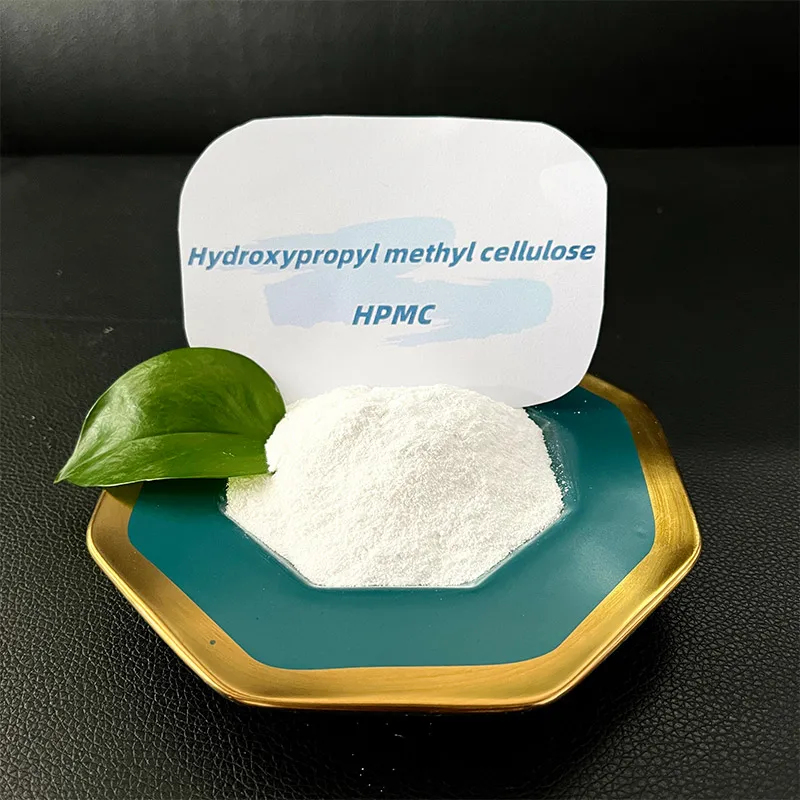



Navigating the world of methylcellulose, a versatile compound with applications in numerous industries, can be a complex journey—especially when it comes to pricing. Understanding methylcellulose price dynamics requires insights into market trends, production processes, and supply chain influences. Methylcellulose is a chemical compound derived from cellulose . It’s widely used in the food industry as a thickener and emulsifier, as well as in pharmaceuticals, construction, and personal care products. Its unique properties make it indispensable across these sectors, thus directly impacting its market price. When discussing the pricing of methylcellulose, one must first consider its manufacturing process. Derived from plant fibers, the production involves chemical treatment, including methylation, which requires sophisticated technology and expertise. This complexity in production can influence both availability and cost. In the global market, the price of methylcellulose is subject to fluctuations influenced by several factors. Raw material costs are a primary driver, which are often subject to agricultural and geopolitical factors affecting the supply chain of cellulose. For example, a shortage in raw materials due to environmental conditions or trade restrictions can lead to increased prices. Additionally, the demand across various industries significantly influences the methylcellulose price. The food industry’s trend towards plant-based products has heightened demand for this compound as a stabilizing agent, leading to competitive pricing and fluctuations. In pharmaceuticals, as more formulations leverage excipients like methylcellulose for controlled drug delivery, the demand continues to grow. methylcellulose price Moreover, regional demand can greatly affect pricing. Markets in Asia-Pacific have exhibited increased consumption due to expanding industrial activities, which has turned the region into a substantial player in the methylcellulose market. As manufacturing capacities expand, these regional dynamics continue to influence price benchmarks globally. In terms of experience, businesses purchasing methylcellulose often benefit from forming long-term supplier relationships, which can provide more stable pricing amidst market volatility. By securing contracts that account for market fluctuations, businesses can mitigate risks associated with sudden price changes. From an expertise perspective, consulting with market experts or leveraging analytical tools to track price trends and predict future shifts can provide a competitive edge. Staying informed about technological advancements in production, potential new applications, and regulatory impacts is essential for strategic decision-making. The authoritativeness and trustworthiness of information related to methylcellulose pricing come from reliable data sources. Industry reports, manufacturer disclosures, and trade publications serve as primary references for accurate and timely pricing data. Establishing collaboration with verified suppliers known for their integrity and consistency is crucial for businesses to maintain product quality and profitability. In conclusion, the methylcellulose market presents a complex landscape influenced by numerous factors, each contributing to its pricing dynamics. A comprehensive understanding of its production, coupled with insights into market demands and trends, provides the foundation for making informed decisions. Businesses positioned to leverage expertise and build authoritative partnerships are likely to navigate the methylcellulose pricing landscape successfully.
- 40000tons

Production
- 20+years

Experience
- 5000+㎡

Acreage

-
The Role of Polypropylene in Screed Applications Screed is an essential material in the construction industry, primarily used to create a smooth, level surface on floors before the application of final floor finishes. Among the various additives and components that can enhance screed performance, polypropylene has gained significant attention. This article delves into the role of polypropylene in screed applications, highlighting its benefits and considerations. What is Polypropylene? Polypropylene is a thermoplastic polymer that is widely used in various applications due to its excellent chemical resistance, durability, and versatility. As an additive in screed formulations, polypropylene fibers improve several mechanical properties of the material, addressing some common challenges faced in flooring applications. Benefits of Polypropylene in Screed 1. Crack Resistance One of the primary advantages of incorporating polypropylene fibers into screed is the enhancement of fracture resistance. As the screed dries and cures, it is prone to cracking due to shrinkage stresses. Polypropylene fibers help to distribute these stresses more evenly throughout the material, reducing the likelihood of cracks forming. 2. Improved Tensile Strength Polypropylene fibers also contribute to increased tensile strength in the screed mix. This is particularly crucial in high-traffic areas where the floor is subject to additional stresses. The addition of polypropylene not only improves the screed's performance but also extends its lifespan. 3. Enhanced Workability Polypropylene-fortified screed mixtures exhibit improved workability, making them easier to pour and spread. This can lead to more efficient installation processes and better surface finishes. Workers can achieve a smoother application, which is vital for aesthetic and functional floor appearances. 4. Resistance to Delamination Delamination is a common issue in flooring installations where layers of the screed separate from one another. The use of polypropylene helps combat this problem by enhancing the bond between layers, thus maintaining the integrity of the flooring system. nyuzi za polypropen kwa screed 5. Fire Resistance While traditional cement-based screeds can be susceptible to fire damage, polypropylene fibers add a level of fire resistance. Although not fireproof, they can help reduce the risk of damage in case of fire, providing an added layer of safety in specific applications. Considerations When Using Polypropylene in Screed Despite its many advantages, there are some considerations to keep in mind when using polypropylene in screed applications - Dosage The amount of polypropylene added to the screed mix must be carefully calculated. Too much can lead to a decrease in workability and increased water demand, while too little may not provide the desired benefits. - Compatibility with Other Materials It is essential to ensure that the polypropylene used is compatible with other components of the screed mix and does not adversely affect the setting and curing processes. - Environmental Impact While polypropylene is generally considered safe, concerns about its environmental impact and recyclability should be taken into account, particularly in terms of sustainability practices within the building industry. Conclusion Incorporating polypropylene into screed formulations presents a myriad of benefits that can significantly enhance the performance and durability of flooring systems. From improved crack resistance and tensile strength to better workability and fire resistance, polypropylene offers a robust solution to some of the most common challenges in flooring. However, careful consideration of dosage, compatibility, and environmental impact is crucial. With proper application, polypropylene can play a pivotal role in achieving high-quality flooring solutions that stand the test of time. As the construction industry continues to evolve, the integration of advanced materials like polypropylene will undoubtedly contribute to more resilient and sustainable building practices.
-

In the ever-evolving landscape of industrial and pharmaceutical applications, understanding the distinct roles and functionalities of Hydroxypropyl Cellulose (HPC) and Hydroxypropyl Methylcellulose (HPMC) is vital. Both these cellulose derivatives play crucial roles in various sectors, but their unique properties set them apart, making them suitable for specific applications. A deep dive into their differences not only aids in product optimization but also enhances the expertise of industry professionals, fostering a trustworthy and authoritative environment for innovation. Hydroxypropyl Cellulose (HPC) is a nonionic, water-soluble cellulose ether derived from the cellulose found in plant cell walls. It's renowned for its exceptional film-forming, thickening, and protective colloid properties. HPC's solubility in both water and organic solvents confers versatility, making it an invaluable asset in formulating lacquers, coating agents, and adhesives. In films and coatings, it offers transparency and flexibility, an ideal choice for products requiring a robust barrier without sacrificing aesthetic appeal. In contrast, Hydroxypropyl Methylcellulose (HPMC) is another cellulose ether notable for its gelation properties, especially upon heating. This unique thermal gelation property is extensively leveraged in the food industry for stabilization, emulsification, and thickening. Unlike HPC, HPMC's primary strength lies in its ability to retain moisture and stabilize formulations, which is indispensable in construction products like cement that require consistent moisture levels to prevent cracking and ensure structural integrity. From a pharmaceutical perspective, both HPC and HPMC serve as excipients, but their applications vary. HPC is extensively used in controlled-release formulations due to its rapid swelling and disintegration properties. It ensures that active pharmaceutical ingredients are delivered efficiently and predictably, enhancing therapeutic outcomes. Meanwhile, HPMC is favored in the formulation of sustained-release drug delivery systems thanks to its gel-forming ability, which modulates drug release rates and ensures prolonged action. In terms of solubility and chemical stability, HPC's solubility in various solvents distinguishes it from HPMC, which is primarily soluble in cold water. The versatility of HPC in solvent mixtures makes it ideal for formulating products that require specific solvent systems, such as transdermal patches and controlled delivery devices. difference between hpc and hpmc Despite their differences, both HPC and HPMC are biodegradable, non-toxic, and generally recognized as safe, placing them at the forefront of sustainable and environmentally friendly material choices. This enhances their trustworthiness and appeal in markets increasingly focused on sustainability. Industry experts often consider cost efficiency and ease of processing when choosing between HPC and HPMC . Typically, HPMC is preferred in applications where cost reduction is prioritized without compromising performance due to its abundance and ease of production. Conversely, HPC might be chosen for its multi-solvent functionality, which can justify a higher cost for specialized applications requiring such characteristics. Furthermore, the regulatory landscape influences the selection of these materials, particularly in pharmaceuticals. HPMC is widely accepted in significant pharmacopoeias worldwide, therefore easing the formulation process in different regulatory environments. In contrast, while HPC is not as extensively recognized, its unique attributes often lead to prioritization in novel drug delivery systems where specific property control is paramount. The critical decision between HPC and HPMC often comes down to their performance in specific applications. Experience shows that understanding the thermal and mechanical properties of these polymers aids significantly in optimizing product performance. HPC, with its solvent versatility and robustness, serves applications demanding flexibility and transparency, whereas HPMC's thermal gelation and moisture retention make it indispensable for long-term, controlled processes. Ultimately, the selection of either HPC or HPMC should align with industry-specific requirements, cost considerations, and regulatory implications while remaining focused on delivering superior product performance. By leveraging comprehensive knowledge and expertise in these materials, industries can foster innovation and maintain authoritative positions in their markets, ensuring that consumer trust remains unchallenged amidst the dynamic evolution of product standards and expectations.
advantages
-

200000 Viscosities
Excellent product
We can produce pure products up to 200,000 viscosities
-

40000 tons
High yield
We don’t stop production all year round, and the annual output can reach 40,000 tons
-

24 hours
Quality service
We provide 24-hours online reception service, welcome to consult at any time
———— Inquiry Form
Schedule A services

-
 what_is_wood_cellulose
Oct . 25, 2025
Hydroxypropyl methylcellulose (HPMC) E50 is a versatile and highly valued polymer in various industr -
 hpmc_k15m_viscosity
Oct . 25, 2025
When it comes to managing dry eye diseases, particularly Meibomian Gland Dysfunction (MGD), two type -
 concrete_reinforcement
Oct . 25, 2025
Navigating the intricacies of starch ether pricing can be a challenging task, especially for busines


